

Eid al-Adha 2026: Stay Connected for Under $10 with Smart eSIM Choices
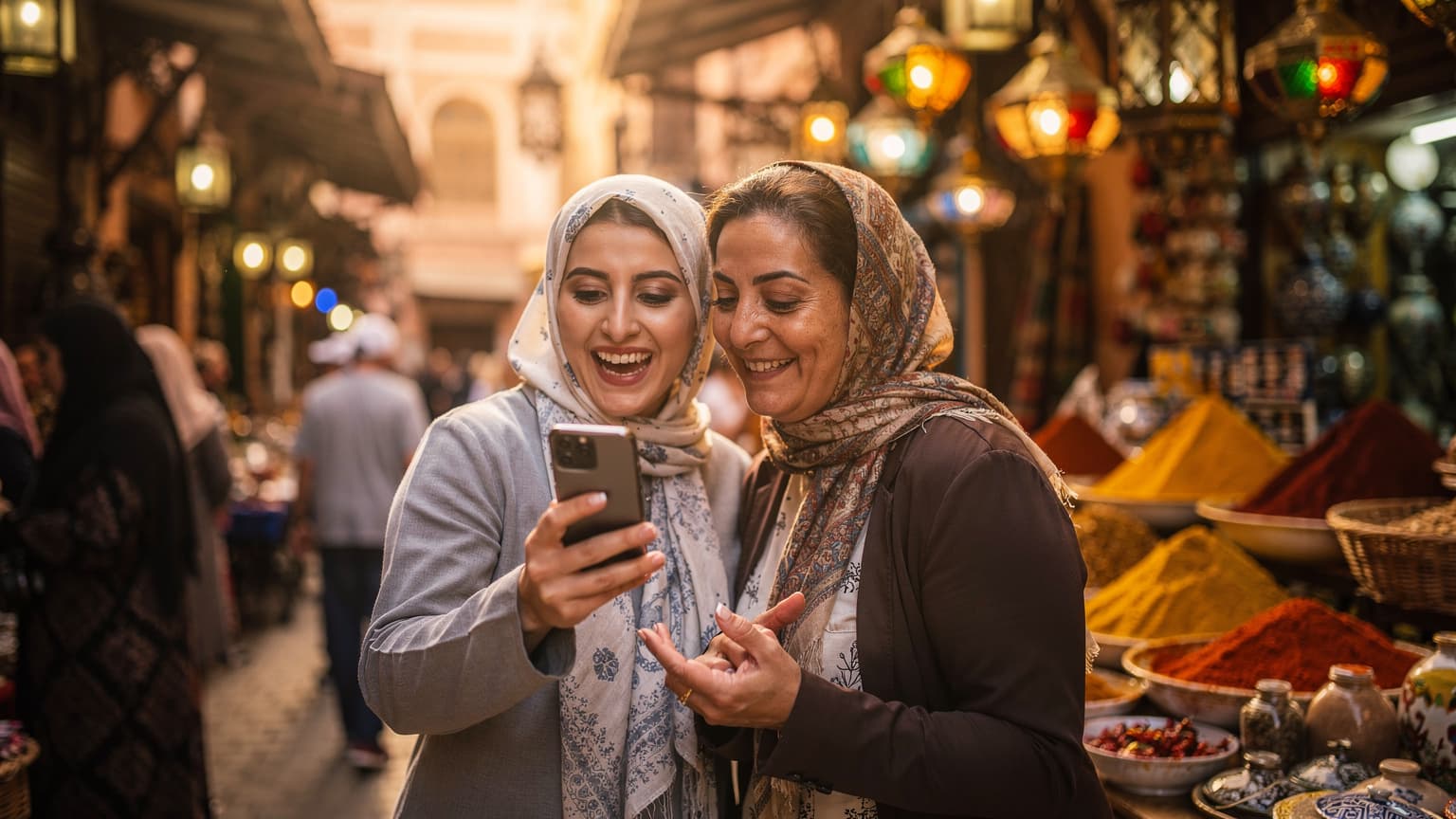
Eid al-Adha, the Festival of Sacrifice, is a time for reflection, gratitude, and most importantly, connection. In 2026, marking the occasion on June 26th, many of us will be traveling to visit family, make pilgrimages, or simply explore new horizons. While the spiritual and communal aspects are paramount, staying connected with loved ones back home or navigating unfamiliar cities is also crucial. The good news? You absolutely don't need to break the bank to do it. With the rise of eSIM technology, reliable mobile data for your travels can cost you less than a fancy coffee. This guide will show you how to stay connected for under $10 during Eid al-Adha 2026 with smart eSIM choices.
Why eSIM is Your Best Friend for Eid Travel
Gone are the days of fumbling with tiny SIM cards, searching for local phone shops in a foreign country, or incurring exorbitant roaming charges. eSIM (embedded SIM) technology has revolutionized how we access mobile networks while traveling. An eSIM is a digital SIM profile that's pre-installed or downloadable onto compatible devices. Here's why it's a game-changer for your Eid al-Adha travels:
- Convenience: Purchase and activate your data plan before you even leave home, or once you land. No physical SIM card needed.
- Cost-Effective: Access local data rates, often significantly cheaper than international roaming.
- Flexibility: Easily switch between multiple eSIM profiles. Keep your home number active while using a travel eSIM for data.
- Security: No physical card to lose or have stolen.
- Eco-Friendly: Reduces plastic waste associated with traditional SIM cards.
Checking Your Device's eSIM Compatibility
Before diving into the world of affordable eSIM plans, the first crucial step is to ensure your smartphone or tablet is eSIM compatible. Most newer flagship devices from Apple, Samsung, Google, and others support eSIM. Here’s a quick guide:
- iPhones: iPhone XR, XS, XS Max, and newer models (including all iPhone 11, 12, 13, 14, and 15 series). Note: iPhones purchased in mainland China, Hong Kong, and Macao may have dual physical SIM slots instead of eSIM.
- Samsung: Galaxy S20, S20+, S20 Ultra, and newer S-series; Galaxy Note 20, Note 20 Ultra, and newer Note series; Galaxy Fold, Z Fold2, Z Fold3, Z Fold4, Z Fold5; Galaxy Z Flip, Z Flip3, Z Flip4, Z Flip5.
- Google Pixel: Pixel 3, 3 XL, 3a, 3a XL, and newer Pixel models (including Pixel 4, 5, 6, 7, 8 series and Fold).
- Other Brands: Many newer devices from Huawei, Oppo, Xiaomi, Motorola, Sony, and others also support eSIM. Check your device manufacturer's specifications or settings.
A simple way to check is to go into your phone's settings and look for "Add Mobile Plan" or "SIM Card Manager" options. If you see these, your device is likely eSIM-ready.
The Under $10 Challenge: Finding the Right eSIM Plan
Now for the exciting part: securing a reliable data plan for under $10. This is absolutely achievable for most common travel durations, especially for light to moderate data users. Here’s how to approach it:
1. Determine Your Data Needs
Before purchasing, estimate how much data you'll realistically use. For Eid al-Adha, you might need data for:
- Messaging apps: WhatsApp, Telegram, etc. (low data usage)
- Maps and navigation: Google Maps, Apple Maps (moderate data usage)
- Social media: Instagram, Facebook, TikTok (moderate to high data usage)
- Video calls: FaceTime, Zoom (high data usage)
- Email and light browsing: (low data usage)
For a typical 5-7 day trip, 1 GB to 3 GB of data is often sufficient for light to moderate use. If you plan on heavy video streaming or frequent video calls, you might need more, but still, options under $10 exist for shorter durations or smaller data bundles.
2. Explore eSIM Providers and Their Offerings
The eSIM market is booming, with many providers offering competitive rates. Here are key factors to consider when choosing, and how to spot those under $10 deals:
- Regional vs. Country-Specific Plans: If you're traveling to multiple countries in a region (e.g., GCC countries for Eid), a regional plan might be more convenient. However, country-specific plans often offer better value for a single destination.
- Validity Period: How long is the data plan valid? Look for plans that match your travel duration (e.g., 7 days, 15 days).
- Data Allowance: Does it offer enough data for your needs? You'll frequently find 1 GB for 7 days, 2 GB for 15 days, or similar small bundles well within the $10 budget.
- Network Coverage: Check which local network partners the eSIM provider uses to ensure good coverage in your destination.
- Reviews and Support: Opt for providers with good customer reviews and reliable support in case you encounter issues.
Many providers, including CheapESIM Travel eSIM, frequently offer plans specifically designed for travelers that perfectly fit this budget. For example, you might find a 1 GB plan for 7 days in popular Eid destinations like Saudi Arabia, UAE, Turkey, or Egypt for around $5-$8. Sometimes, even 2 GB plans for 15 days can be found in this range, especially during promotional periods.
3. How CheapESIM Travel eSIM Helps You Stay Under $10
CheapESIM Travel eSIM is an excellent option for finding budget-friendly data plans. They focus on providing reliable connectivity in numerous countries worldwide. When looking for Eid al-Adha 2026 plans, here's how CheapESIM can assist:
- Targeted Country Plans: CheapESIM offers specific plans for popular Eid destinations. You can easily browse plans for Saudi Arabia (for Hajj/Umrah), UAE, Qatar, Turkey, Egypt, Jordan, and many other countries where families gather.
- Varied Data Bundles: CheapESIM provides a range of data allowances and validity periods. You'll often find small data packages (e.g., 1GB, 2GB, 3GB) with short validity (7, 10, 15 days) that fall comfortably within the sub-$10 price point. These are perfect for essential communication, navigation, and light social media use.
- Clear Pricing: CheapESIM's website typically displays clear pricing, allowing you to easily compare options and select a plan that fits your budget without hidden fees.
- Ease of Use: Purchasing and activating a CheapESIM eSIM is straightforward. Once you select your plan, you receive a QR code or manual details to install the eSIM on your compatible device, often within minutes.
Before your trip, visit the CheapESIM website, select your destination, and filter by data amount or price. You'll likely discover several suitable options for under $10, ensuring you can message your family Eid Mubarak without worrying about your phone bill.
Tips for Maximizing Your Data and Staying Under Budget
Even with an affordable eSIM, smart data usage can help you stretch your dollar further:
- Use Wi-Fi Whenever Possible: Hotels, cafes, and airports often offer free Wi-Fi. Connect whenever available to save your eSIM data for when you truly need it.
- Download Offline Maps: Before you leave your accommodation, download maps of your destination using Google Maps or Apple Maps. This significantly reduces data usage while navigating.
- Disable Background App Refresh: Go into your phone's settings and turn off background refresh for apps that aren't essential.
- Restrict Data Usage for Certain Apps: Many phones allow you to restrict cellular data for specific apps. Turn off data for data-hungry apps like video streaming services unless you're on Wi-Fi.
- Download Entertainment Beforehand: Download movies, music, or podcasts before your trip or over Wi-Fi to enjoy offline.
- Monitor Your Data Usage: Regularly check your phone's data usage settings or the eSIM provider's app (if available) to keep track of how much data you've consumed.
Activation and Troubleshooting
Activating your eSIM is usually a breeze:
- Purchase: Buy your chosen eSIM plan from a provider like CheapESIM.
- Receive QR Code/Details: You'll typically receive an email with a QR code or manual activation details.
- Install: Go to your phone's settings (usually under Cellular/Mobile Data or Connections), select "Add eSIM" or "Add Mobile Plan," and scan the QR code. Follow the on-screen prompts. Ensure you have an internet connection (Wi-Fi is best) during installation.
- Enable Data Roaming (if prompted): For some eSIMs, you might need to enable data roaming in your phone's settings for that specific eSIM profile, even though it's using local rates. This is a common point of confusion but is necessary for the eSIM to connect to the local network.
- Select as Primary for Mobile Data: Make sure your newly installed eSIM is selected as the primary for mobile data in your phone's settings. You can keep your home SIM active for calls and texts if you wish.
Troubleshooting Tips:
- Restart Your Phone: The classic fix often works wonders.
- Check APN Settings: Your eSIM provider will usually send these. Sometimes manual entry is required if data isn't working.
- Ensure Data Roaming is On: As mentioned, for the travel eSIM, ensure this is enabled.
- Contact Customer Support: If all else fails, reach out to your eSIM provider's support team. CheapESIM, for instance, offers customer support to help with activation issues.
Conclusion: Connect Smart, Celebrate More
Eid al-Adha 2026 is an opportunity to strengthen bonds and create cherished memories. Don't let the fear of expensive roaming bills or the hassle of physical SIM cards detract from your experience. By understanding your device's compatibility, estimating your data needs, and intelligently choosing an eSIM provider like CheapESIM, you can easily stay connected for under $10. Embrace the convenience, affordability, and flexibility of eSIM technology, allowing you to focus on what truly matters: celebrating Eid with peace of mind, knowing you're always just a message away from your loved ones. Eid Mubarak!