


The Roaming Nightmare and My Escape
I remember landing in Rome's Fiumicino, bleary-eyed, only to discover my supposed 'international' roaming plan from back home was laughably inadequate. I needed to call my Airbnb host in Trastevere, pull up a map for the bus, and maybe, just maybe, check my email. Instead, I faced a bill that threatened to rival my flight cost. That was nearly a decade ago, and while things have improved, the core problem remains: traditional roaming is a budget killer, especially when you're hitting multiple countries like Germany, France, and Italy in one go.
For years, my travel hack was to buy a local SIM card in every new country. Picture me, exhausted, trying to find a phone shop in Athens' Monastiraki Square that was actually open past 5 PM on a Sunday, or wrestling with an Italian registration form that demanded a 'codice fiscale' just to get data. It was a time sink, a stressor, and frankly, a waste of precious travel time. I’ve seen enough dark, deserted airport kiosks to last a lifetime.
The shift to eSIMs, especially multi-country options, has been nothing short of revolutionary for someone like me who lives out of a backpack for months at a time. No more physical SIM swaps, no more hunting for phone stores, and certainly no more surprise bills. For your 2026 European adventure, this is the connectivity solution you'll want in your pocket, whether you're mapping out the BVG routes in Berlin or finding the right ATM in Milan.
The Slow Death of Physical SIM Cards for Multi-Country Trips
Remember those little plastic punch-outs? They're becoming relics. For years, I’d keep a Ziploc bag full of old SIMs, each a tiny memento of a country visited. But when you're moving from, say, Portugal to Spain to France within a week, buying a new local SIM in each city, like Lisbon's Baixa-Chiado or Seville's Triana, becomes an absolute headache. Beyond the sheer inconvenience, there's the activation process. Some countries, like Turkey or even parts of France, require passport registration, turning a simple data purchase into a bureaucratic maze. I've wasted entire afternoons in phone shops just trying to get online.
Why Traditional Roaming is a Bad Idea for Europe
Your home carrier might offer an 'international' plan, but look closely at the fine print. Often, these plans come with daily fees, throttled speeds after a minimal data allowance, or exclude certain countries. A typical plan might charge €10-€15 per day for 'unlimited' data that caps at 500MB high-speed, then slows to a crawl. If you're spending 10 days in Europe, that's already €100-€150 just for basic connectivity. And if you dare to stream a bit of Netflix on a long train ride between Munich and Vienna, prepare for sticker shock. I learned this the hard way after a particularly expensive trip from Porto to the Douro Valley, where I blew through my 'unlimited' data cap in a day.
What Exactly is an eSIM, and Why Europe?
An eSIM is, simply put, a digital SIM card. Instead of slotting a physical piece of plastic into your phone, you download a profile directly to your device. Most modern smartphones, like the iPhone 17 (and even older models like the iPhone XS), support eSIMs. This technology has been around for a while, but it's truly come into its own for travelers, particularly those exploring a continent as interconnected as Europe.
Europe, with its open borders and harmonized mobile networks, is practically designed for multi-country eSIMs. Whether you're riding the S-Bahn through Berlin's Prenzlauer Berg or navigating the canals of Amsterdam, a single eSIM plan can keep you connected across dozens of countries. This isn't just about convenience, it's about seamless travel, ensuring you always have access to Google Maps, booking apps, and emergency contacts, no matter which side of a border you find yourself on.
The Magic of Multi-Country Coverage
Imagine landing in Charles de Gaulle, hopping on the RER B into Paris' Latin Quarter, and your phone just works, connecting to Orange France. Then, three days later, you're on a TGV to Brussels, and as you cross the border, your phone seamlessly switches to Proximus or Base without you lifting a finger. That's the magic of a good multi-country eSIM. These plans aggregate coverage from various local networks, offering you the best available signal wherever you are. It’s like having a local SIM in every country, but without the physical hassle.

Making Sure Your Phone is eSIM-Ready for 2026
Before you get too excited, a quick check: is your phone eSIM compatible? Most iPhones from the XS onwards, Samsung Galaxy S20 and newer, Google Pixel 3 and newer, and many other recent flagships support eSIM. It's usually a quick look in your phone's settings under 'Cellular' or 'Mobile Data'. If you're on an older model, a physical SIM might still be your only option, but for the majority of travelers heading to Europe in 2026, eSIM is a go. Remember, for those considering an upgrade, the iPhone 17 is set to be a strong contender for cheap data abroad thanks to its eSIM capabilities.
Choosing Your European eSIM: The Data Dilemma
This is where it gets tactical. How much data do you actually need? Are you a light user, just checking maps and WhatsApp, or a heavy streamer who can't miss their podcasts on the ICE train from Frankfurt to Cologne? European eSIMs come in various flavors: small bundles for short trips, larger packages for extended stays, and even regional passes that cover broader swaths of the continent. My advice, after years of budgeting data: overestimate slightly, but not wildly. It's better to have a bit extra than to be scrambling for a top-up when you're trying to find your way to that hidden tapas bar in Madrid's La Latina quarter.
Data Allowances and Validity Periods: What to Look For
When you're comparing eSIMs, pay close attention to two key numbers: the data allowance (e.g., 5GB, 10GB, 20GB) and the validity period (e.g., 7 days, 15 days, 30 days). A 10GB plan for 30 days might seem generous, but if you're a heavy user and your trip is only 10 days, you might be better off with a 5GB plan for 15 days that's significantly cheaper. My rule of thumb for a typical tourist hitting a few cities: 1-2GB per week for light use, 3-5GB per week for moderate use (including some video streaming or video calls), and 7GB+ for heavy use (working remotely, constant streaming). If you're planning a trip around Amsterdam's Christmas Markets in 2026, you might want more data for all those festive photos and video calls back home.
Local versus Regional eSIM: Which is Best for Your Itinerary?
For a multi-city European trip, a regional eSIM that covers the entire continent (or at least the Schengen area) is almost always the smarter choice. Local eSIMs, while sometimes offering slightly lower per-GB rates, tie you to a single country. This means if you start in Vienna and end in Budapest, you'd need two separate eSIMs. A regional eSIM covers you across borders, eliminating the hassle. This is particularly crucial if you're taking advantage of Europe's excellent train networks, like the Deutsche Bahn or Trenitalia, where you can literally cross multiple countries in a single day. You don't want your data to drop out as you leave Salzburg and head into Bavaria.
How to Spot the Best-Value European eSIM Deals for 2026
Finding a good eSIM deal isn't just about the lowest price. It's about value: data amount, coverage, validity, and ease of use. For Europe, you want robust coverage that can handle bustling city centers and scenic train rides through the countryside. Always check the fine print for any speed caps or Fair Usage Policies, which can sometimes hamstring an otherwise attractive plan. My general rule: if a deal seems too good to be true, it probably is.
| Provider | Data (GB) | Validity (Days) | Coverage (Countries) | Approx. Price (€) |
|---|---|---|---|---|
| CheapESIM Europe 1 | 5 | 15 | 30+ EU | €10 |
| CheapESIM Europe 2 | 10 | 30 | 30+ EU | €18 |
| CheapESIM Europe 3 | 20 | 30 | 30+ EU | €30 |
| Major Carrier Roaming (Avg.) | 5 (capped daily) | 30 | EU | €150-€300 |
Understanding Coverage and Network Partners
A good European eSIM provider will partner with major local carriers, ensuring you get strong signal and good speeds. Look for names like Vodafone, Orange, Deutsche Telekom, and Three. These are the workhorses of European mobile infrastructure. If an eSIM relies on smaller, regional carriers, you might find yourself with spotty service in less populated areas or even within the sprawling metro of a city like Paris. I always check the coverage maps on the provider's site, especially if I'm venturing outside capital cities, say, into the Dolomites or the Scottish Highlands.
The Cost Per Gigabyte Metric: Your Secret Weapon
This is how seasoned budget travelers compare data plans. Divide the total cost of the eSIM by the total gigabytes provided. A 5GB plan for €10 gives you €2 per GB. A 20GB plan for €30 gives you €1.50 per GB. Suddenly, the larger plan looks more attractive if you expect to use a lot of data. Keep an eye out for promotional offers, but always do the math. Some providers will have a 'special' that's actually more expensive per GB than their standard plans.
My Tried-and-True eSIM Activation Steps
I've activated dozens of eSIMs across various devices, from an old iPhone X to my current Samsung Galaxy Fold. The process is generally straightforward, but a few key steps make it foolproof. I always recommend activating your eSIM before you leave home, ideally when you have a stable Wi-Fi connection. That way, any troubleshooting can happen in a comfortable environment, not while you're half-asleep at the airport in Copenhagen.
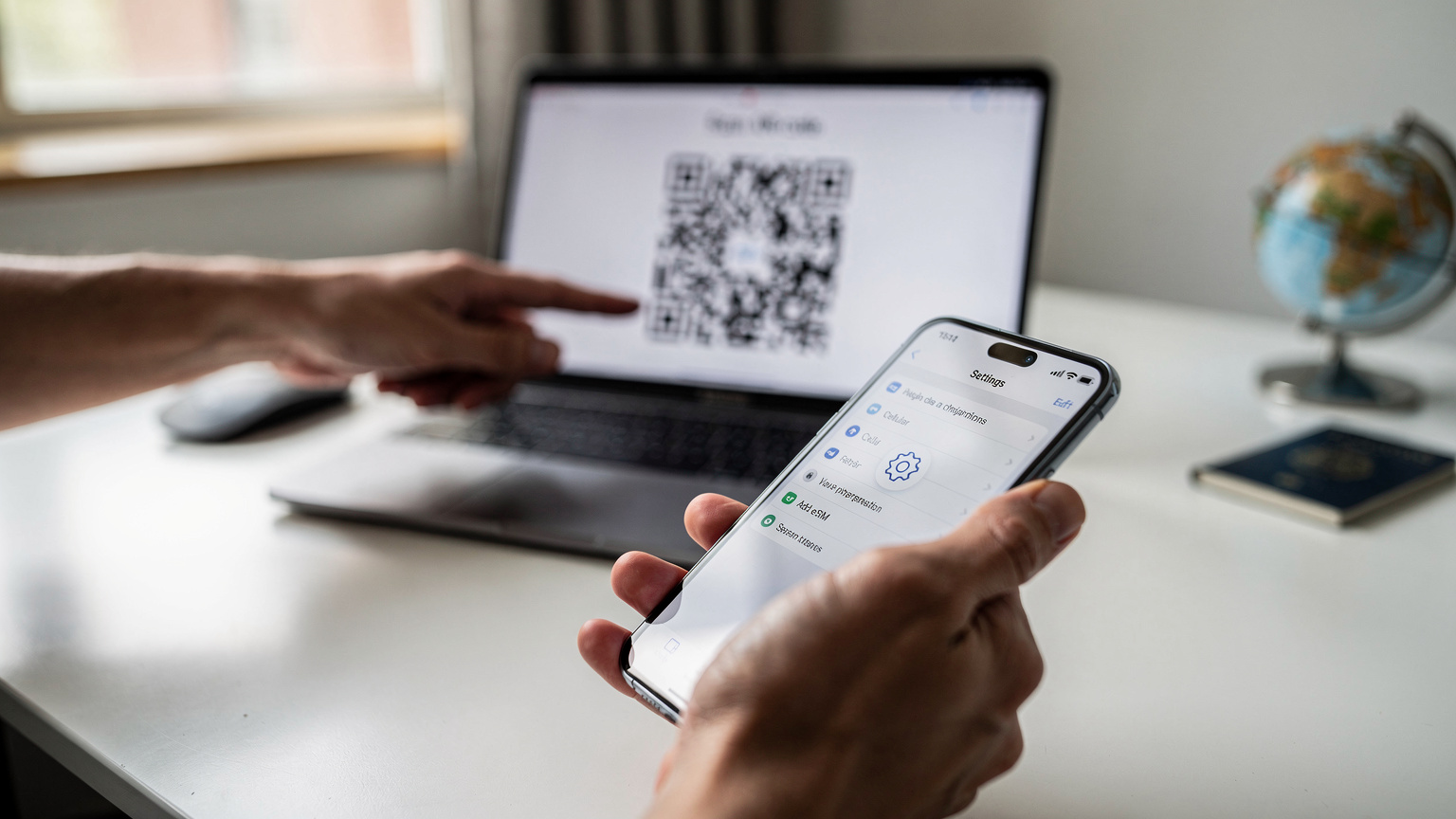
- Purchase and Receive Your eSIM: Head to a reliable provider's website, select your European multi-country plan, and complete the purchase. You'll usually receive an email containing a QR code or a manual installation code.
- Scan the QR Code (or Manual Entry): On your iPhone (Settings > Cellular > Add eSIM) or Android (Settings > Network & internet > SIMs > Add eSIM), choose to 'Use QR Code' and scan it. If you're having trouble, or if you received a manual code, select 'Enter Details Manually'.
- Label Your eSIM: Once installed, your phone will prompt you to label your new eSIM. I always name mine something like 'Europe Travel 2026' or 'CheapESIM EU' to easily distinguish it from my primary home line.
- Set as Primary for Data: Crucially, set your new eSIM as your primary line for cellular data. Keep your home line active for calls and texts if you wish, but ensure data routing through the eSIM.
- Enable Data Roaming (for eSIM only): This might sound counterintuitive, but for your eSIM to work across different European networks, you need to enable data roaming specifically for the eSIM profile. Don't worry, this won't trigger roaming charges on your home line if you've set your eSIM as the data default.
- Test It Out: Once you land in Europe, switch on your eSIM. You should connect to a local network within minutes. I usually open a mapping app like Google Maps or a messaging app to confirm connectivity. If it doesn't connect, try toggling airplane mode on and off.
Troubleshooting Common eSIM Activation Issues
Even for a seasoned traveler, sometimes things don't go perfectly. I once spent an hour in a hotel lobby in Lisbon, trying to get an eSIM to activate, only to realize I hadn't enabled data roaming on the *eSIM profile* itself. Here are a few common snags:
- No Network Connection: Double-check that 'Data Roaming' is enabled for your eSIM. Also, try manually selecting a network operator from your phone's settings. Sometimes, switching from 'Automatic' to a specific local carrier (like Orange in France or Vodafone in Spain) can kickstart the connection.
- Slow Speeds: If you're connected but speeds are crawling, it might be a temporary network issue, or you might have hit a Fair Usage Policy cap. Check your provider's terms. Also, ensure your phone's APN settings are correct, though most eSIMs configure this automatically.
- eSIM Disappears: This is rare but can happen if you accidentally delete the eSIM profile. Always backup your QR code or manual details. If it's gone, you'll need to re-install it using the original details.
Real-World Savings: Comparing eSIM to Traditional Roaming
Let's talk numbers, because that's where the eSIM truly shines for a budget traveler. Consider a hypothetical two-week trip through Germany, the Netherlands, and Belgium in 2026. You plan to spend 5 days in Berlin, 5 days in Amsterdam, and 4 days in Brussels, using about 10GB of data for navigation, social media, messaging, and light streaming.
With a multi-country eSIM, a 10GB, 30-day Europe plan might cost you around €18-€25. This covers all your data needs across all three countries, no fuss, no border-hopping headaches. The average cost per GB would be roughly €1.80-€2.50.
Now, let's look at traditional roaming from a major US or UK carrier. Many offer daily passes, often around €10-€15 per day. For 14 days, that's €140-€210. And often, these daily passes only include 1-2GB of high-speed data before throttling. If you exceed that, you're either paying more or stuck with dial-up speeds. The cost per GB here could easily soar to €10-€15 or more. The savings are stark, easily over €100 for a single trip.
| Scenario | Data Needs | Duration | Estimated Cost (Traditional Roaming) | Estimated Cost (Multi-Country eSIM) | Savings |
|---|---|---|---|---|---|
| Germany, Netherlands, Belgium Trip | 10GB | 14 Days | €140 - €210 | €18 - €25 | €122 - €185+ |
| Italy & France Backpacking | 20GB | 30 Days | €300 - €450 | €30 - €40 | €270 - €410+ |
| Weekend City Break (e.g., Prague) | 3GB | 3 Days | €30 - €45 | €5 - €8 | €25 - €37+ |
The Hidden Costs of Not Using an eSIM
Beyond the direct data charges, there are hidden costs. Time wasted finding a local SIM, the frustration of language barriers, the risk of buying an unreliable SIM from an unofficial vendor (I once bought a SIM in a small Romanian town that stopped working after a day, leaving me stranded without maps), and the sheer mental load of constantly worrying about connectivity. An eSIM removes all of that. It's not just about money, it's about peace of mind and maximizing your travel experience. For those who frequently travel for business, the seamless connectivity of an eSIM is also critical, as explored in Global Business Connectivity 2026: ESIMFlyer's Multi-Carrier Edge for Frequent Travellers.
Comparing eSIMs to Local SIMs in Europe
While local SIMs can sometimes offer slightly lower per-GB rates for single-country stays, the moment you cross a border, their advantage vanishes. For example, a local SIM in France might offer 30GB for €20. But once you take the Thalys to Belgium, that SIM is useless, and you're back to square one. A multi-country eSIM, on the other hand, keeps you connected from the moment you land in Paris's 10th arrondissement until you depart from Brussels' Saint-Gilles. For extended stays in a single country, like being a Bali Digital Nomad 2026, a local SIM (or a local eSIM from a specific carrier) might make sense, but for multi-country European hops, it's no contest.
Navigating Europe Like a Local with Your eSIM
Having reliable data isn't just about Instagram. It's about truly experiencing a place. It's about confidently using public transport, finding those hidden gem eateries, and communicating effortlessly. With an eSIM, you're always connected, transforming your travel experience from a series of disconnected Wi-Fi hunts into a fluid exploration.
Essential Apps That Thrive with Constant Connectivity
- Mapping Apps (Google Maps, Apple Maps, Citymapper): Never get lost again, whether you're finding your way through the labyrinthine streets of Venice or navigating the expansive U-Bahn system in Berlin (BVG). Citymapper is particularly useful for real-time transit info in major European cities.
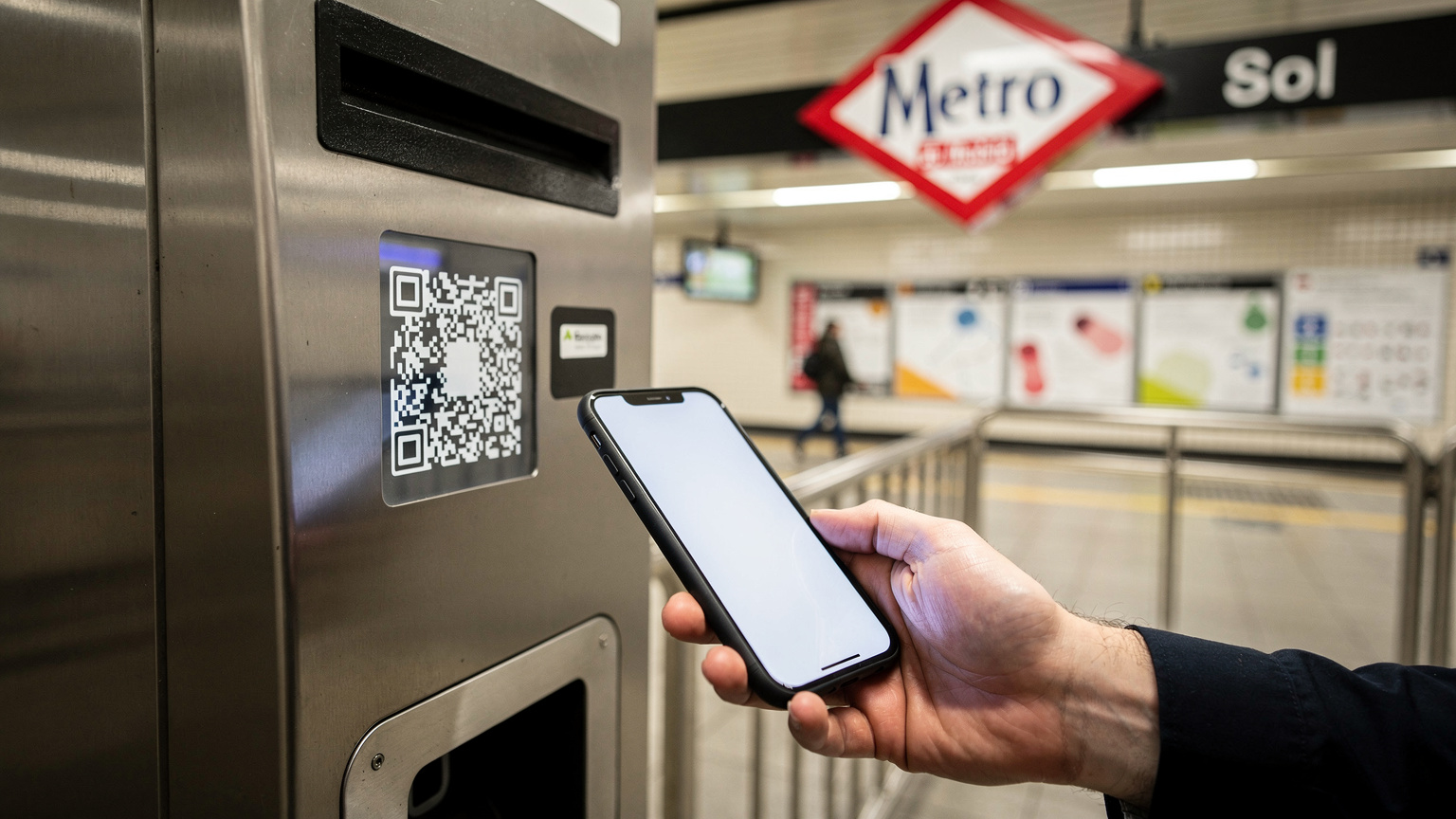
- Transit Apps (Moovit, official city apps): Many cities have their own excellent apps. For example, the ATM app in Milan for trams and metros, or the SNCF app for French trains. These are invaluable for up-to-the-minute schedules and disruption alerts.
- Translation Apps (Google Translate, DeepL): Break down language barriers instantly, whether you're ordering a cappuccino in Rome or asking for directions in a small French village.
- Ride-sharing and Taxi Apps (Uber, Bolt, Free Now): Get around easily, especially late at night when public transport might be winding down. Free Now is particularly popular in Germany and Ireland.
- Messaging Apps (WhatsApp, Telegram): Stay in touch with friends and family without racking up expensive SMS charges.
From Checking Train Schedules to Finding the Best Gelato
I remember being in Bologna, trying to find a specific gelato shop that was rumored to have the best pistachio flavor. Without constant data, I would have been wandering aimlessly. Instead, I pulled up Google Maps, checked their opening hours (until 10 PM, thankfully), and found a bus route on the TPER network to get there directly. This kind of seamless access makes all the difference. It’s about leveraging technology to deepen your travel, not just document it.
Common eSIM Pitfalls and How to Dodge Them
While eSIMs are a godsend, they aren't entirely without their quirks. Knowing what to watch out for can save you a headache. I’ve personally run into some of these, usually when I’m rushing or distracted.

- Not Checking Device Compatibility: This is the big one. Always, always confirm your phone supports eSIM before you buy. If you arrive in Paris expecting to activate an eSIM on an older device that doesn't support it, you're in for a scramble.
- Deleting the eSIM Profile Accidentally: Once an eSIM is installed, it's generally best to leave it alone until your trip is over. Deleting it means you'll have to reinstall it, which can be tricky if you've already thrown away the QR code or lost the manual details.
- Not Enabling Data Roaming (for the eSIM): As mentioned, this is a common oversight. Your eSIM needs to roam to connect to different networks within Europe. Make sure it's enabled for the eSIM profile, not your home SIM.
- Ignoring Validity Periods: An eSIM might offer 10GB of data, but if it's only valid for 15 days and your trip is 20 days, you'll run out of validity before you run out of data. Always match the plan's duration to your travel itinerary.
- Purchasing Too Little Data: While it's good to be frugal, underestimating your data needs can leave you stranded. Keep an eye on your data usage through your phone's settings or the eSIM provider's app, and top up if necessary.
- Not Setting the eSIM as Primary for Data: If you leave your home SIM as the primary for data, you'll be racking up roaming charges even with an active eSIM. Double-check this setting before you land.
Data Monitoring and Top-Ups
Most modern smartphones offer built-in data usage monitoring, allowing you to see how much data each app consumes. I make it a habit to check this daily when I'm traveling. Many eSIM providers also have their own apps or portals where you can track your usage and, crucially, purchase top-ups if you're running low. It's far better to buy an extra 1GB for a few euros than to be without data when you need it most, like when your train is rerouted and you need to find an alternative on the fly.
The Importance of Customer Support When Things Go Wrong
Even with all precautions, sometimes an issue pops up. Maybe you're in a remote corner of the Scottish Highlands, and your eSIM isn't connecting. This is where good customer support becomes invaluable. Look for providers that offer 24/7 chat support or a responsive email system. I once had an eSIM issue while trying to find a specific museum in Florence's Oltrarno district, and a quick chat with support saved my afternoon.
Beyond Europe: The Power of Global eSIMs
While this post focuses on Europe, the principles of multi-country eSIMs extend worldwide. Once you experience the freedom of seamless connectivity across borders, you'll wonder how you ever traveled without it. I've used global eSIMs everywhere from the bustling streets of Mexico City to the remote reaches of Patagonia. If your wanderlust takes you further afield, know that similar cost-saving solutions exist.
| Region/Type | Traditional Roaming Cost (Approx.) | Multi-Country eSIM Cost (Approx.) | Estimated Savings |
|---|---|---|---|
| Europe (30+ countries) | €150 - €450 | €18 - €40 | €132 - €410 |
| North America (US, Canada, Mexico) | $180 - $350 | $25 - $50 | $155 - $300 |
| Asia (Japan, Korea, Thailand, etc.) | $200 - $400 | $30 - $60 | $170 - $340 |
| Global (100+ countries) | $500+ | $50 - $100 | $450+ |
The Future of Travel Connectivity: Seamless and Affordable
The trend is clear: physical SIM cards are on their way out, and eSIMs are the future. As more devices become eSIM-only, these digital solutions will only become more ubiquitous and affordable. For budget travelers like me, this means more money for experiences, whether it's an extra night in a hostel in Krakow's Old Town or an impromptu cooking class in Barcelona's Gràcia neighborhood. The days of hunting for Wi-Fi or dreading your phone bill are truly over. So, for your 2026 European adventure and beyond, do yourself a favor: embrace the eSIM, and travel smarter.
Frequently Asked Questions
How much data do I need for a two-week trip to Europe in 2026?
For a two-week trip, a moderate user typically needs around 10-15GB of data. This allows for daily navigation, social media, messaging, and occasional video streaming or calls. Lighter users might get by with 5-7GB, while heavy users or those working remotely might need 20GB or more.
Can I use an eSIM in multiple European countries without changing plans?
Yes, absolutely. That's the primary benefit of a multi-country European eSIM. Once activated, it automatically connects to partner networks in dozens of countries across the continent, allowing for seamless data connectivity as you cross borders without needing to change your plan or settings.
Will my home phone number still work with an eSIM active?
Yes, if your phone supports dual SIM (physical SIM + eSIM or dual eSIM), you can keep your home number active for calls and texts while using the eSIM for data. Just remember to set the eSIM as your primary line for mobile data in your phone's settings to avoid roaming charges on your home number.
Is my phone compatible with eSIMs for European travel in 2026?
Most modern smartphones released in the last few years are eSIM compatible. This includes iPhones from the XS/XR onwards, Samsung Galaxy S20 series and newer, and Google Pixel 3 and newer. Always check your specific device's specifications or settings under 'Cellular' or 'Mobile Data' to confirm before purchasing.
What's the difference between a regional Europe eSIM and a single-country eSIM?
A regional Europe eSIM provides data coverage across many European countries (typically 30+), allowing you to travel seamlessly across borders. A single-country eSIM, on the other hand, only works in one specific country. For multi-city or multi-country trips, a regional eSIM is far more convenient and cost-effective.
Can I top up my European eSIM if I run out of data?
Most reputable eSIM providers offer easy top-up options. You can usually purchase additional data packages directly through their website or a dedicated app. It's a good practice to monitor your data usage and top up before you completely run out, especially if you're in an area with limited Wi-Fi access.